A helpful guide to mudjacking Des Moines for residential properties
Every little thing You Required to Understand About Mudjacking: A Useful Introduction of Concrete Repair Work Techniques
Mudjacking is a functional service for resolving sunken concrete surface areas. This technique involves injecting a slurry below slabs to recover their original elevation. Comprehending how mudjacking jobs, its benefits, and when to contemplate it is essential for home owners. In addition, considering DIY choices against expert services can affect the outcome. As concrete settling can bring about various problems, checking out the details of mudjacking may give the answers required for efficient fixing services.
What Is Mudjacking?
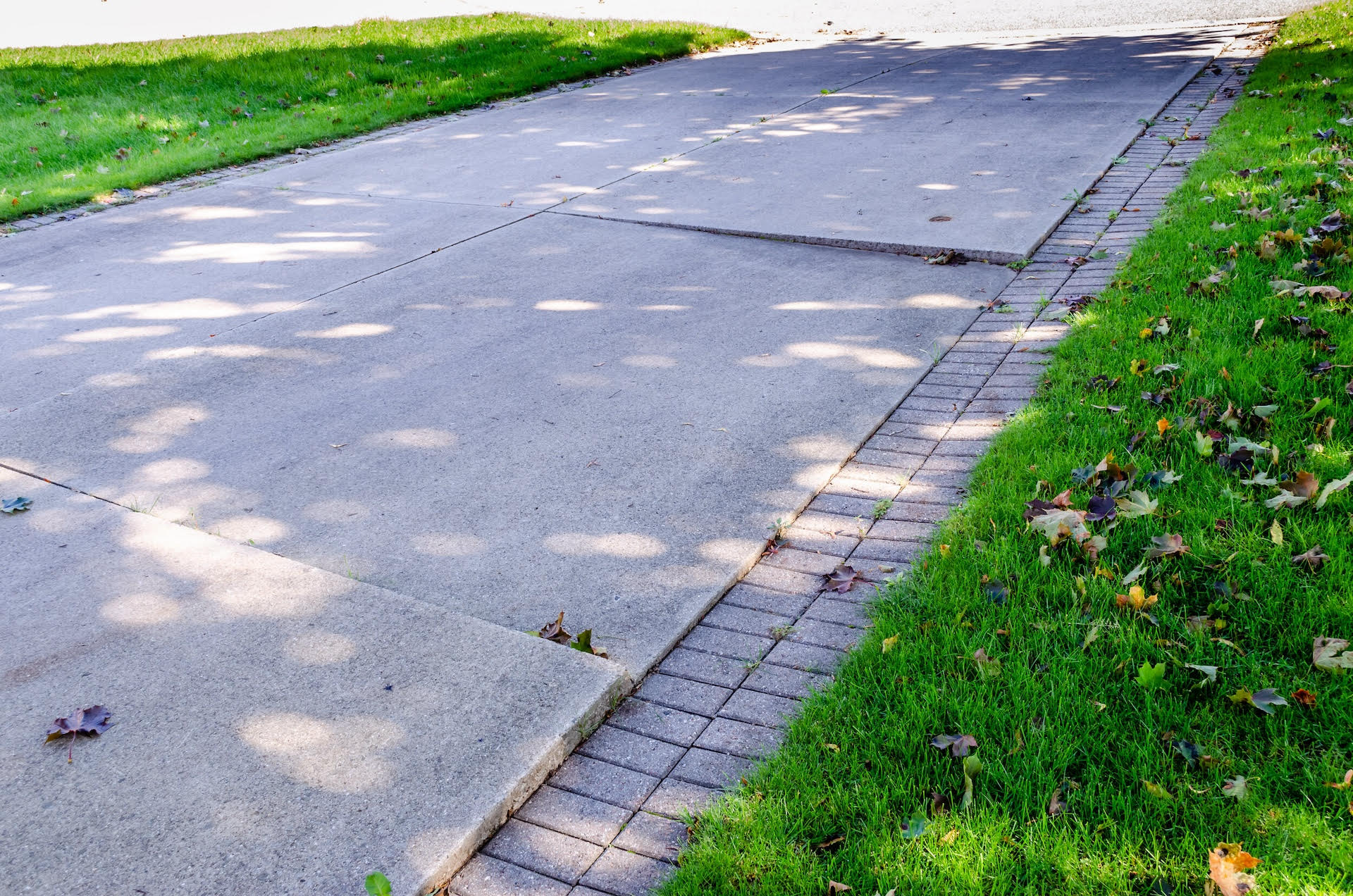
The technique is preferred for its cost-effectiveness contrasted to finish concrete substitute, making it an appealing option for home owners and services alike. Mudjacking can be completed fairly rapidly, decreasing disturbance to everyday activities. Additionally, it is thought about an eco friendly method, as it frequently makes use of existing products rather than necessitating new concrete (mudjacking Des Moines). In general, mudjacking offers as a functional service for recovering the honesty and performance of sunken read the facts concrete surfaces
How Does Mudjacking Job?
Mudjacking involves an exact shot procedure where a blend is pumped beneath resolved concrete pieces to elevate and stabilize them. The materials made use of in this method typically consist of a mix of dirt, concrete, and other parts tailored for reliable assistance. Recognizing the benefits of mudjacking highlights its performance and cost-effectiveness as a remedy for uneven surfaces.
Injection Refine Explained
An usual technique for recovering sunken concrete entails the injection of a specialized mix underneath the piece. This process starts with piercing little openings right into the affected concrete surface, normally spaced several feet apart. A pump after that injects the blend, which normally includes a mix of cement, sand, and other aggregates, into these openings. As the mix is injected, it expands and fills voids below the slab, properly raising it back to its initial setting. The pressure developed by the expanding product pressures it into any kind of splits or voids. Once the preferred altitude is achieved, the shot is stopped, and the openings are sealed, restoring the surface. This technique decreases disruption and provides a long-lasting option for concrete settling problems.
Products Made Use Of in Mudjacking
The efficiency of mudjacking depends heavily on the products made use of in the injection process. Commonly, a mix of water, cement, and soil is employed, creating a slurry that can fill up voids below concrete slabs. The concrete component offers strength and resilience, while the water help in attaining the preferred consistency for simple injection. In addition, ingredients such as polymers or foam might be included to improve the combination's flow and bonding residential or commercial properties. The option of soil, whether clay or sand, can additionally affect the end product's efficiency. Eventually, the quality and composition of these products play a vital role in making certain the successful lifting and stablizing of sunken concrete surfaces.
Benefits of Mudjacking
When a premium combination is injected under concrete pieces, it not just addresses surface area issues however also provides several benefits. Mudjacking effectively elevates sunken concrete, recovering proper alignment and boosting looks. It is an economical option to full concrete substitute, saving home owners money and time. The process is quick, usually finished in a matter of hours, permitting immediate use of the surface. In addition, mudjacking reduces disruption to surrounding frameworks and landscapes, maintaining existing landscape design and lowering waste. In addition, it boosts safety and security by eliminating tripping risks connected with unequal surface areas. Overall, mudjacking is a reliable, eco friendly solution for concrete repair work that ensures lasting security and functionality for various kinds of concrete surface areas.
Benefits of Mudjacking
Mudjacking offers numerous benefits that make it an attractive option for residential or commercial property owners. It is a cost-effective option that supplies quick outcomes, allowing for very little disruption to daily tasks. Furthermore, the technique is eco-friendly, using products that decrease waste and promote sustainability.
Cost-Effective Remedy
While several home owners look for long-lasting options for unequal concrete surface areas, mudjacking attracts attention as an economical option. This method includes raising sunken concrete pieces by infusing a mix of concrete and various other materials beneath them, thereby recovering their level without the demand for total substitute. Contrasted to conventional concrete substitute, mudjacking usually incurs lower labor and product costs. In addition, it minimizes the disturbance to the bordering landscape and existing structures, further improving its charm. Property owners can profit from a quicker remedy that addresses their concrete issues without a significant cost tag, making mudjacking an economically practical choice - mudjacking Des Moines. Inevitably, its price and performance make it an eye-catching option for those wanting to keep their residential property's honesty
Quick Installment Process
Home owners appreciate the fast setup procedure related to mudjacking, which enhances its cost-effectiveness. This method generally requires just a couple of hours to complete, permitting property owners to resume typical activities nearly right away. Unlike conventional concrete substitute, which can take days or even weeks, mudjacking includes injecting a specialized blend beneath the surface, lifting it back right into area without considerable disturbance. The minimal tools and labor included streamline the process additionally, making it not just effective yet additionally less invasive. Furthermore, due to the fact that the fixings can be done in a solitary day, property owners can prevent prolonged direct exposure to construction sound and particles. In general, the swift nature of mudjacking makes it an attractive choice for those needing prompt concrete repair service options.
Ecologically Friendly Technique
As concerns about environmental sustainability expand, mudjacking becomes a sensible solution for concrete fixing that reduces environmental effect. This strategy utilizes a polyurethane foam or a cement-based mix, both of which can be green, depending on the products selected. Mudjacking avoids the requirement for complete slab substitute, which typically leads to significant waste and disrupted landscapes. By stabilizing existing concrete frameworks, it preserves sources and decreases the carbon impact connected with brand-new materials. Additionally, mudjacking can be carried out with minimal disruption to surrounding settings, protecting landscaping and decreasing sound pollution. Eventually, this method not just addresses architectural concerns however additionally aligns with modern-day environmental requirements, making it an attractive option for eco mindful homeowner.
Cost of Mudjacking
The price of mudjacking can differ significantly based on a number of aspects, including the size of the area to be repaired, the extent of the settlement, and local labor prices. Normally, home owners can expect to pay in between $300 and $1,500 for mudjacking solutions, with costs influenced by the intricacy of the work. For smaller fixings, prices might get on the reduced end of the spectrum, while larger or a lot more complicated projects can intensify substantially. Additionally, accessibility to the worksite and the kind of soil can influence the general expense. It is recommended for house owners to get several quotes from accredited contractors to guarantee a reasonable price. Eventually, spending in mudjacking can be an affordable option to finish concrete replacement, usually resulting in significant cost savings while restoring stability to the influenced locations.
When to Think about Mudjacking
When is it ideal to consider mudjacking for concrete surface areas? When they notice indications of concrete settling or sinking, homeowners and residential property supervisors ought to consider this repair strategy. Usual signs include irregular pieces, visible splits, or merging water near the structure. These problems can jeopardize the structural integrity of buildings and bring about safety risks.
Furthermore, if exterior concrete attributes, such as driveways, outdoor patios, or pathways, show disproportion, mudjacking can restore their level. This technique is especially advantageous when the underlying soil has actually worn down or worked out, triggering support loss. Time is also an aspect; addressing these issues early can avoid additional damages and greater repair prices.
Ultimately, mudjacking offers as an efficient option for bring back the stability and resilience of concrete surfaces, making it vital for maintaining property worth and safety and security.
Do it yourself vs. Expert Mudjacking
While some homeowners might think about tackling mudjacking as a do it yourself project to minimize expenses, it is important to weigh the potential threats and advantages. Do it yourself mudjacking can seem appealing due to reduced financial expense; however, it typically does not have the precision and knowledge necessary for efficient outcomes. House owners may find it challenging to precisely examine the level of damage or pick ideal materials, resulting in additional issues.
In comparison, specialist mudjacking solutions bring specialized knowledge and tools, guaranteeing a much more sturdy and trustworthy repair service. Experts can determine underlying issues, such as drainage issues, that may require interest beyond lifting the concrete. Additionally, they frequently supply service warranties for their work, supplying satisfaction that do it yourself initiatives can not assure. As a result, home owners must meticulously think about whether the potential cost savings of a DIY approach outweigh the dangers of poor fixings and enhanced lasting expenses.
Regularly Asked Questions
Just How Lengthy Does Mudjacking Usually Last?
Mudjacking generally lasts in between 5 to 10 years, relying on variables such as soil conditions, weather condition, and the amount of website traffic the repaired area experiences. Normal upkeep can prolong the life expectancy of the repair.
Can Mudjacking Be Performed in Cold Climate?
Mudjacking can be done in winter, but conditions must be carefully checked. The success of the process relies on the temperature level and the materials used, as freezing can influence the treating and bonding.
Is Mudjacking Suitable for All Sorts Of Concrete?

What Materials Are Utilized in the Mudjacking Process?
The mudjacking process generally utilizes a blend of concrete, sand, water, and soil. These materials create a slurry injected underneath the concrete slab, successfully increasing and maintaining it to recover its original position.
Just How Can I Maintain My Concrete After Mudjacking?
To preserve concrete after mudjacking, regular securing is crucial. Stay clear of hefty loads for at the very least 1 day, guarantee proper drainage, and clean surfaces to avoid particles build-up. Checking for cracks promotes lasting toughness and stability.
Mudjacking is a useful option for resolving sunken concrete surfaces. Mudjacking, additionally recognized as slab jacking, is a method utilized to increase and stabilize sunken concrete surface areas. While numerous home owners look for long-lasting services for unequal concrete surface areas, mudjacking stands out as a cost-effective option. Unlike traditional concrete substitute, which can take days or also weeks, mudjacking includes infusing a specialized combination underneath the surface, lifting it back right into area without extensive disturbance. As issues concerning environmental sustainability expand, mudjacking emerges as a feasible service for concrete repair work that decreases ecological influence.